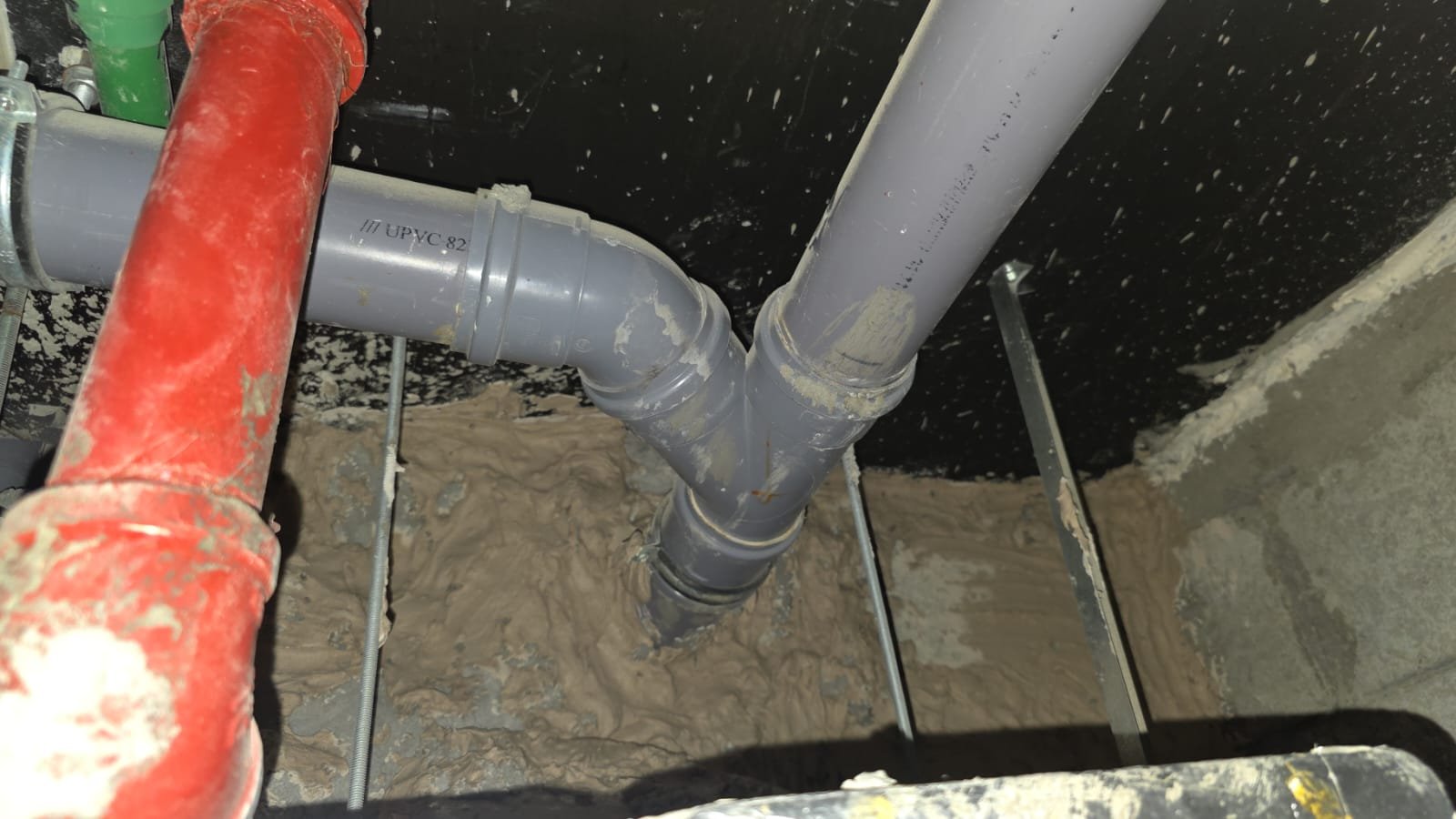
Toilet Drain Cleaning & Bad Smell Treatment in Abu Dhabi
Professional Help for Blocked Toilets and Unpleasant Bathroom Odors
A bad smell coming from a toilet or bathroom drain does not always mean the bathroom needs more cleaning. We visit many properties where the bathroom is clean, but the sewer smell keeps coming back. In these cases, the problem is often somewhere inside the drainage system.
A slow or partially blocked toilet drain, dry floor trap, loose toilet connection, damaged seal, or waste buildup inside the pipe can all cause bad smells. Air fresheners and surface cleaning may hide the smell for some time, but if the source is inside the drainage line, the smell usually returns.
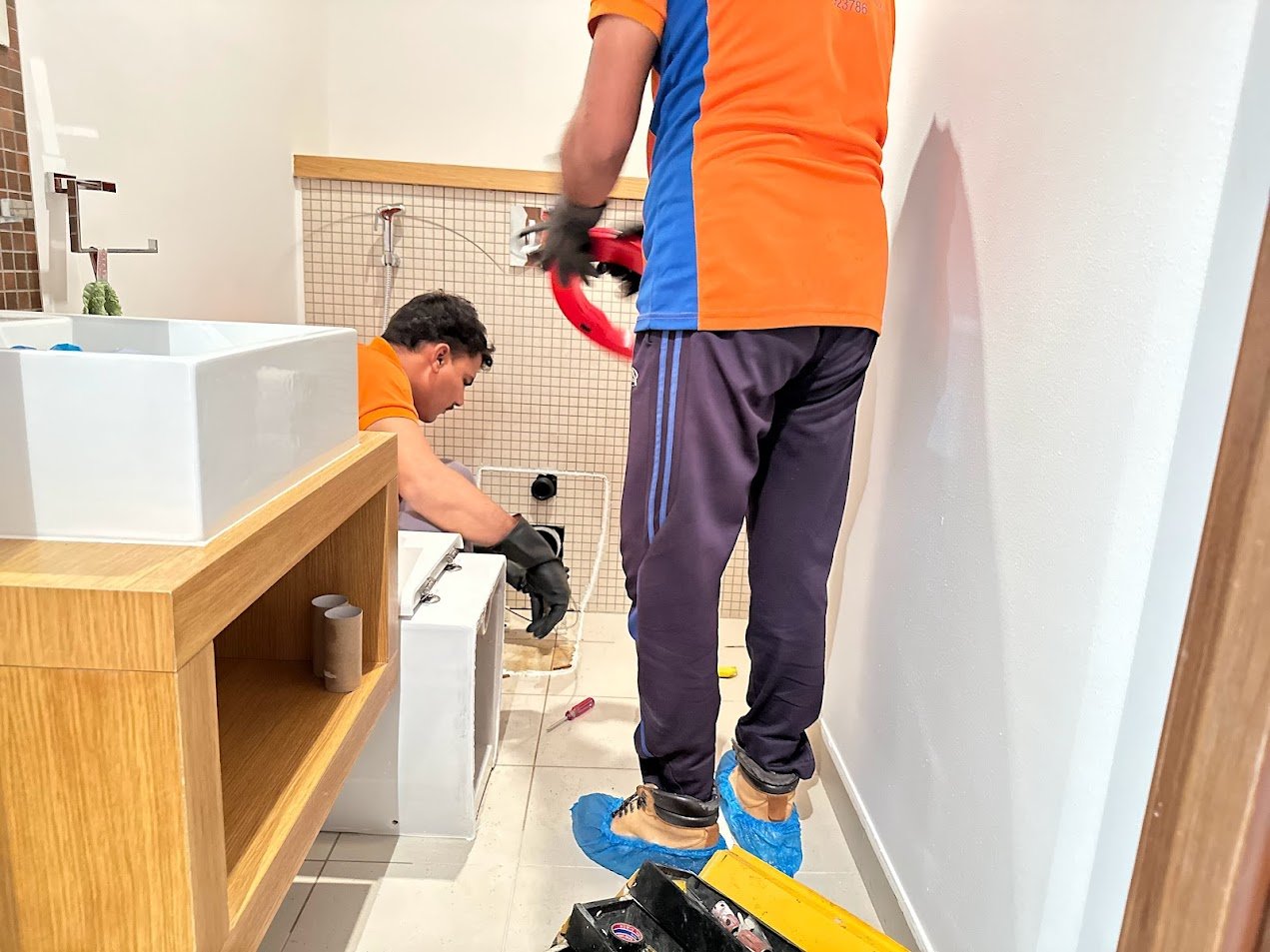
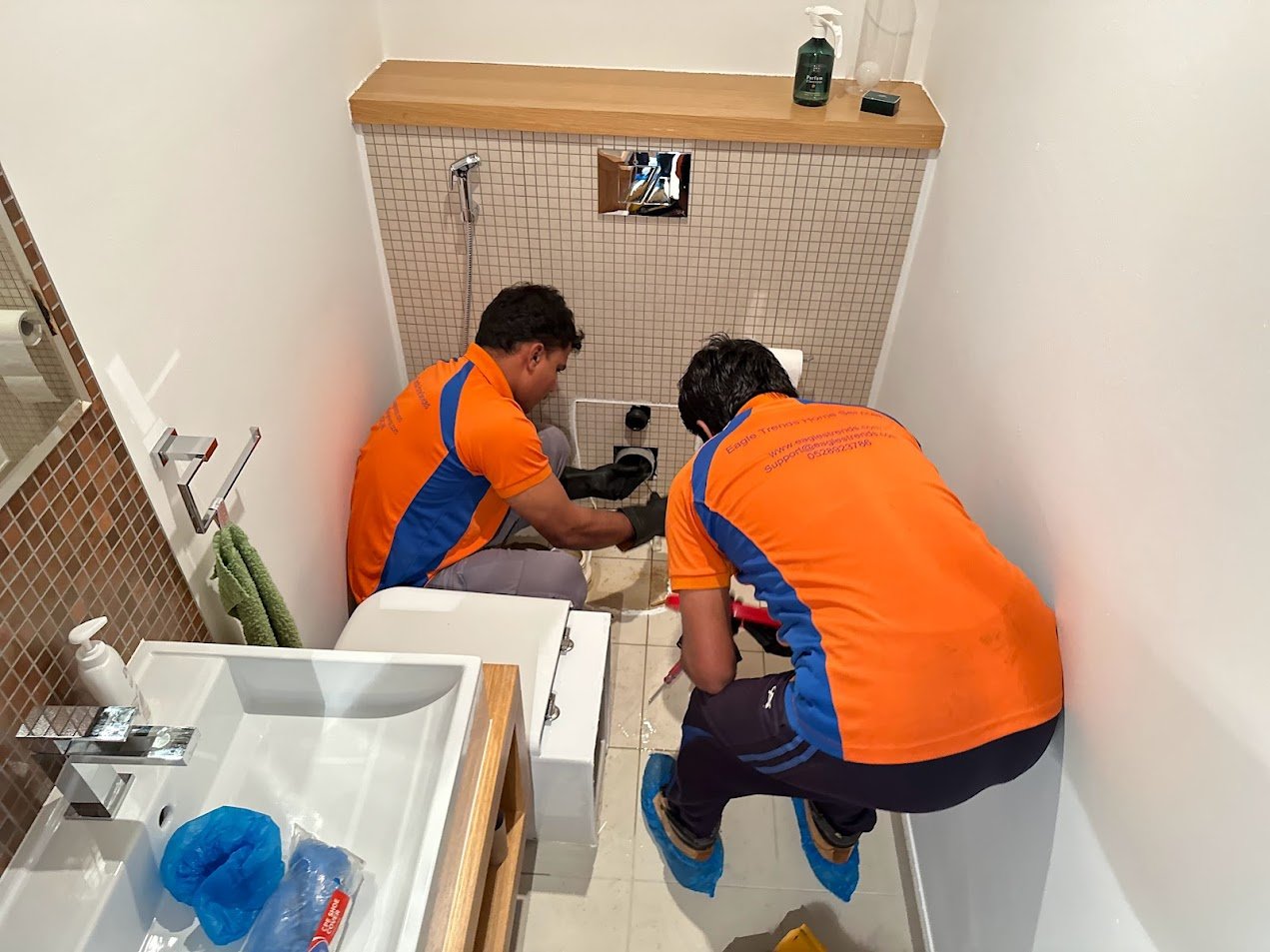
At Eagle Trends, we provide toilet drain cleaning and bad smell treatment in Abu Dhabi. We first check where the problem is coming from, then decide what cleaning or repair is needed.
Where Is the Bad Smell Coming From?
The toilet bowl itself is not always the source. During inspection, we may find the smell coming from a nearby floor drain, around the toilet connection, or from waste buildup deeper inside the drainage pipe.
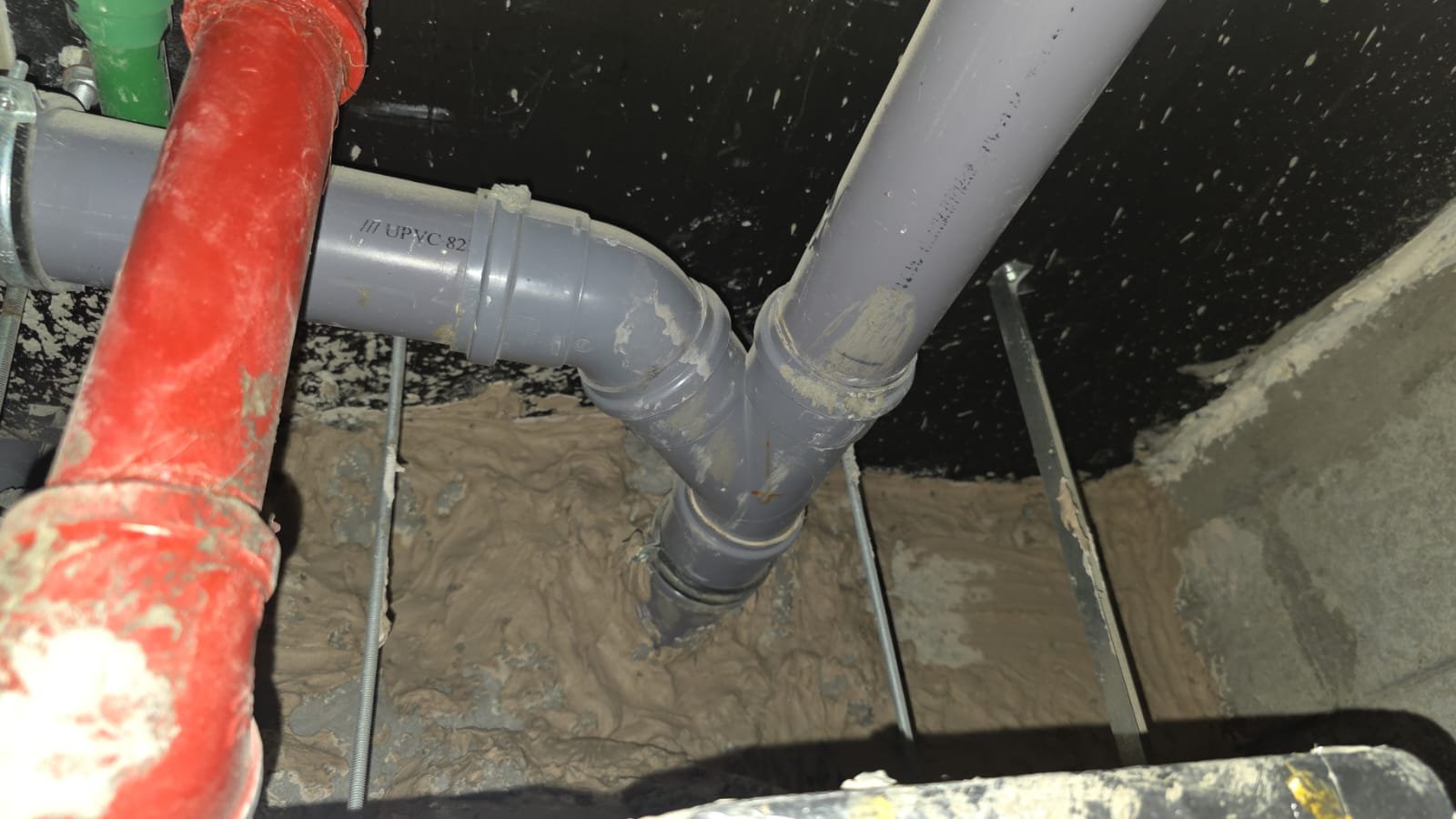
A toilet can also flush normally while there is still buildup inside the line. Waste, tissue, scale, and other material can reduce the internal space of the pipe and cause slow flow or smell.
Another common issue is a dry floor trap or P-trap. Water inside the trap helps stop sewer gases from entering the bathroom. When a bathroom is not used for some time, this water can dry out and allow the smell to come through.
We have also seen this problem in many homes where a bedroom and its bathroom stay closed for a long time.
When nobody uses the toilet or floor drain for a long time, the water inside the trap slowly dries out. Without this water barrier, sewer gas can come through the drainage pipe and enter the bathroom.
We also check the toilet connection and seal. If the toilet is loose or the seal is damaged, a bad smell can come from around the base of the toilet.
If several drains smell at the same time, or you hear gurgling or bubbling sounds, we usually check the main drainage line and venting system as well.
Signs the Toilet Drain Needs Attention
You do not have to wait until the toilet is completely blocked. There are usually some signs before the drainage stops working properly.
These can include:
- Sewer smell returning after cleaning
- Toilet water flushing slowly or rising higher than normal
- Gurgling from the toilet or nearby floor drain
- Blockages happening again and again
- Water or marks around the toilet base
- Bad smell coming from more than one bathroom drain
- A plunger helping only for a short time
It is better to check a slow or smelly drain early instead of waiting until the toilet becomes fully blocked.
How We Check and Clean the Drain
Every blockage and bad smell problem is different. Our team starts by checking the toilet, nearby floor drains, visible connections, and water flow. If we believe the problem is further inside the drainage line, we may recommend additional pipe inspection.
For a blocked toilet drain, the cleaning method depends on what is inside the pipe and where the blockage is located. Professional drain-cleaning equipment can remove waste and buildup that a normal plunger or household cleaner may not clear properly.
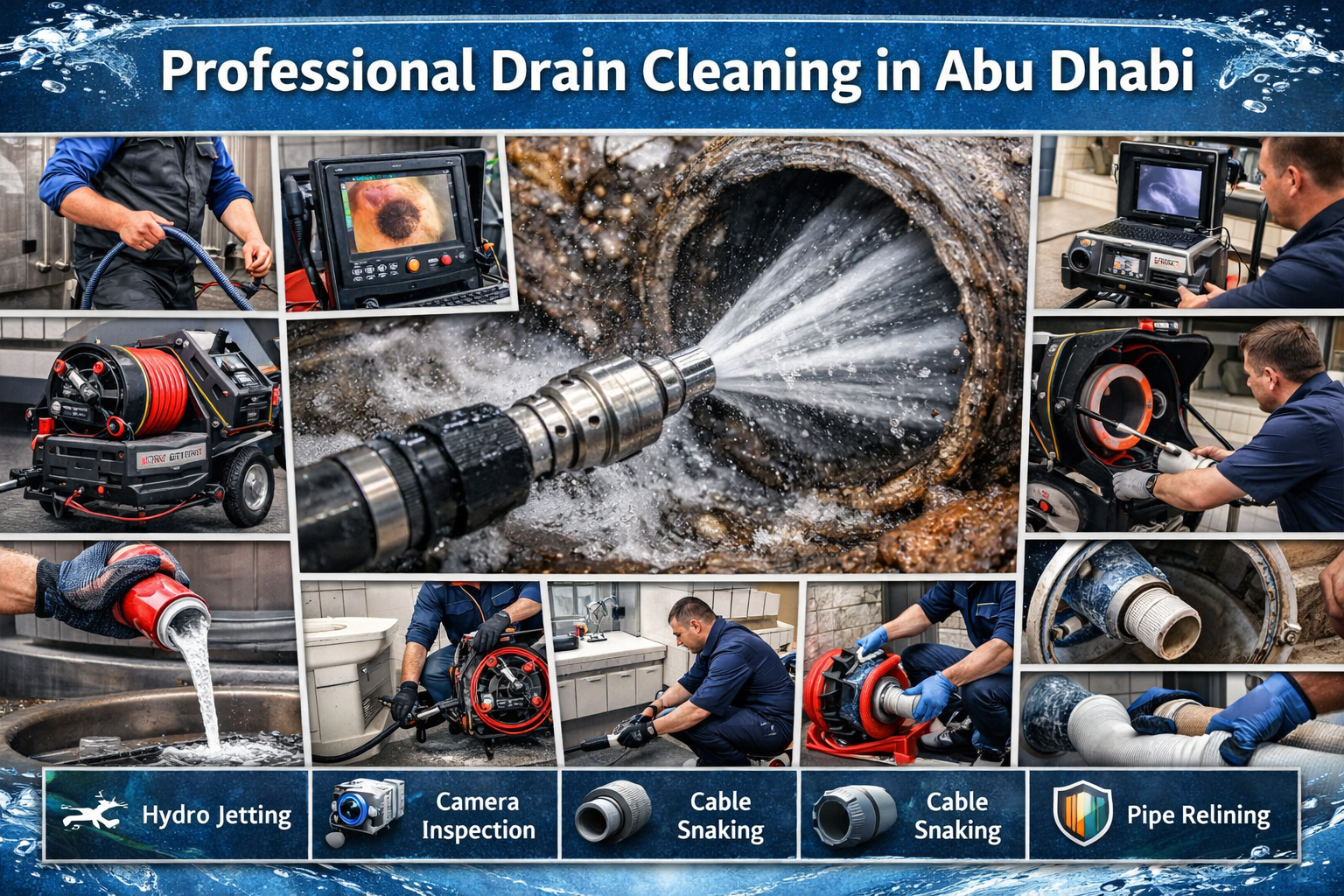
For suitable drainage lines, we may use high-pressure water jetting to clean material from inside the pipe. This can help when buildup keeps causing slow drainage or repeated blockages.
Drain cleaning is not always the complete solution. If we find a loose toilet, damaged seal, or faulty connection, that issue also needs attention. Cleaning the pipe will not stop sewer gas if it is escaping from an open or damaged connection.
Our aim is to find where the smell is coming from and deal with that problem instead of only covering the smell.
Why the Smell May Return After DIY Cleaning
Baking soda, vinegar, disinfectants, plungers, and drain cleaners can sometimes help with a small surface-level problem. They cannot repair a damaged toilet seal or always reach waste that is stuck deeper inside the drainage line.
Using strong drain chemicals repeatedly is also not a good solution. Different drain-cleaning chemicals should never be mixed, as this can create a safety risk.
If the smell goes away for a short time and comes back, or the toilet keeps blocking, we check the drainage system to find where the problem is coming from.
Simple Ways to Reduce Future Drain Problems
A few basic steps can help prevent some toilet drain problems. Avoid flushing wipes, sanitary products, or other solid items. For toilets and floor drains that are rarely used, make sure there is still water in the trap.
If a toilet becomes loose, starts leaking around the base, or begins draining noticeably slower than before, it is better to have it checked. Waiting can turn a smaller drainage issue into a more difficult blockage.
Need Toilet Drain Cleaning in Abu Dhabi?
If the toilet smell keeps coming back, there is usually a reason behind it. It could be waste inside the pipe, slow drainage, a dry floor trap, or a problem with the toilet connection.
Contact Eagle Trends for toilet drain cleaning and bad smell treatment in Abu Dhabi. Tell us what problem you are facing, and our team can inspect the affected area, check where the problem is coming from, and recommend the right cleaning or repair work.