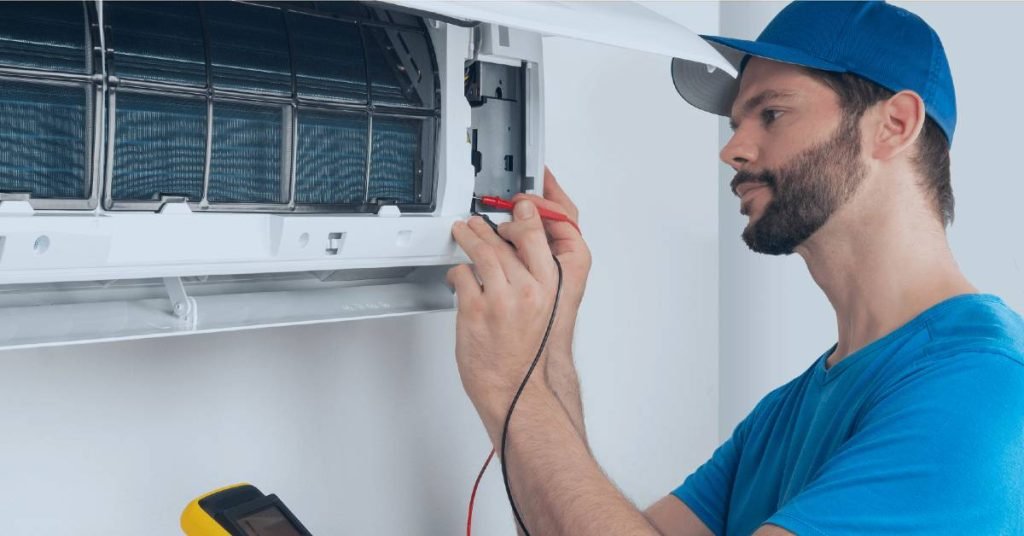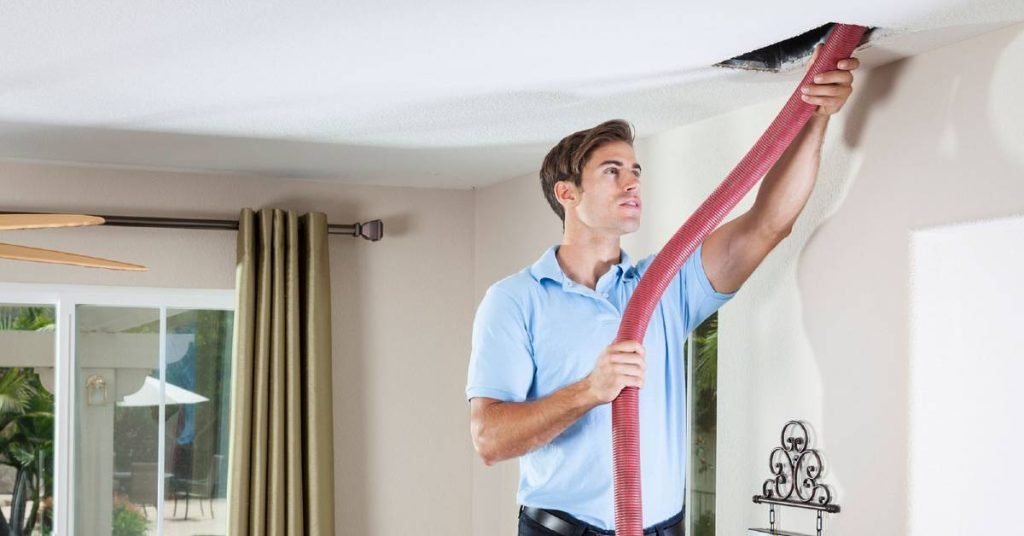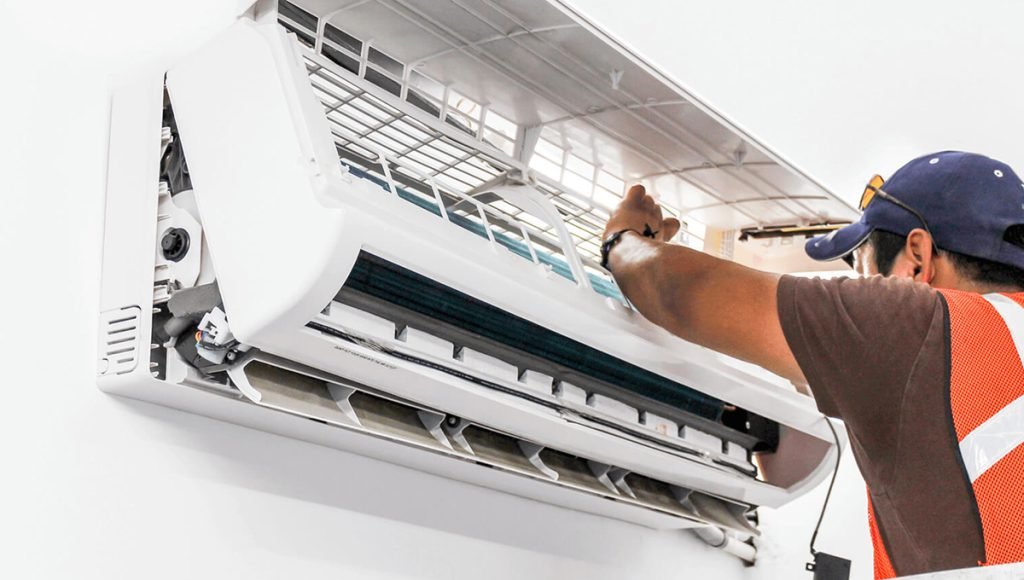
We provide professional AC maintenance services in Abu Dhabi for homes, villas, apartments, offices, and commercial properties. Our experienced AC technicians handle AC servicing, cleaning, repairs, filter replacement, and routine maintenance to keep your air conditioning system efficient and reliable.
Years Of Experiences
Satisfaction Guarantee
24/7 Emergency Services
Happy Customers
Abu Dhabi
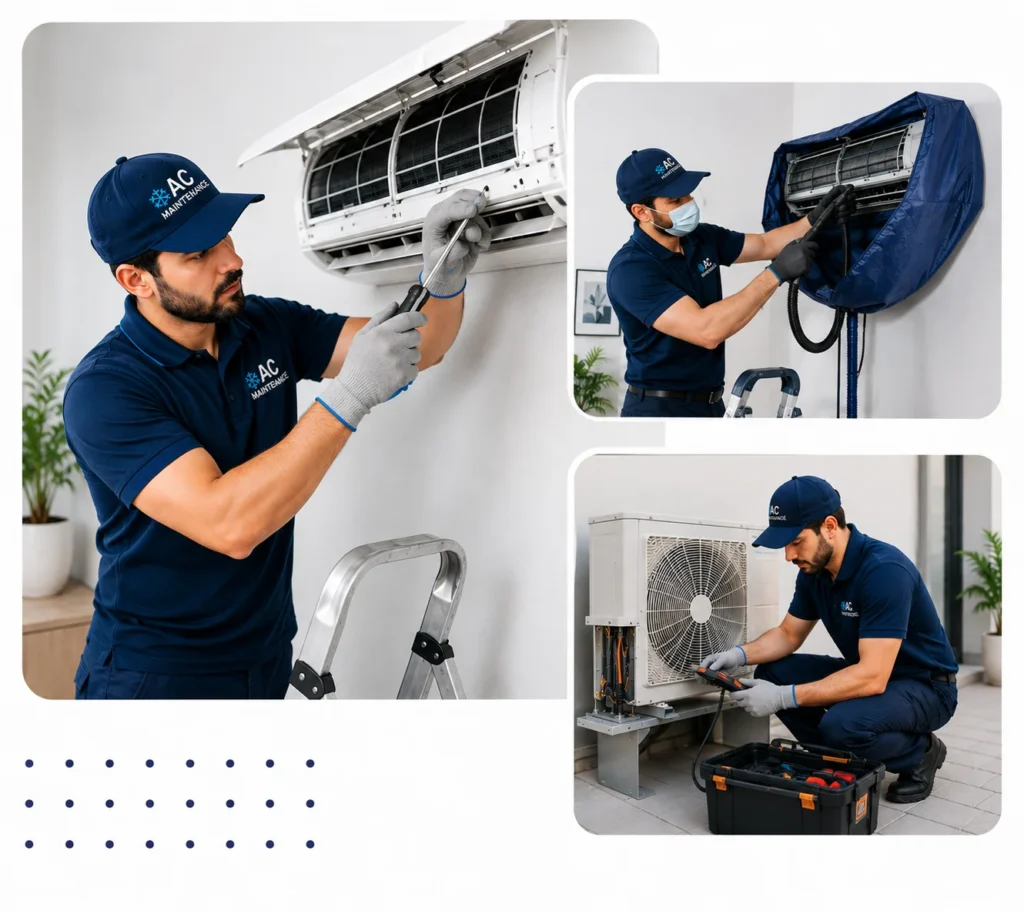
Many people ask about AC Installation after having their air conditioner or heater installed. And with good reason, as installing your own equipment is a very labor intensive and costly task. But before you ask about AC Installation, whether it be a replacement part or a new installation, it is important that you know what the main components of your system are. The quick answer is; It depends! The tricky thing is that this is a very loaded question to answer and there really does not have an easy answer to it. One of the main things homeowners are often surprised with when it comes to air conditioning or their AC installation is just the cost of all the equipment themselves. Now when it comes down to it, there are a lot of different components that make up these air conditioners and heaters and each of them offer their own unique set of benefits, features, and advantages.
Many people often inquire about AC installation after purchasing a new air conditioner or heater, and for good reason. Installing such equipment is a labor-intensive and costly task that requires expertise and precision. However, before diving into the specifics of AC installation—whether it involves replacing a part or setting up an entirely new system—it’s crucial to understand the main components of your HVAC system.One of the most common surprises for homeowners is the sheer cost of the equipment involved in an AC installation. Air conditioners and heaters are made up of numerous components, each playing a critical role in ensuring the system operates efficiently. These components include the compressor, condenser, evaporator coil, refrigerant lines, thermostat, and air handler, among others.For instance, the compressor is often referred to as the "heart" of the air conditioning system. It’s responsible for circulating refrigerant through the system, which is essential for cooling your home. The condenser, typically located outside, releases the heat absorbed from inside your home into the outdoor air.When it comes to installation, the complexity of the process can vary significantly. Replacing a single component is generally less labor-intensive than installing an entirely new system. A new AC installation involves sizing the unit correctly for your home, installing ductwork if necessary, and ensuring the system is properly calibrated for optimal performance.Another factor that influences the cost and complexity of AC installation is the type of system you choose. Central air conditioning systems, ductless mini-split systems, and window units each have their own installation requirements.Labor costs also play a significant role in the overall expense of AC installation. Hiring a licensed and experienced HVAC technician is essential to ensure the job is done correctly and safely.In addition to the equipment and labor costs, homeowners should also consider the long-term benefits of a properly installed AC system. A well-installed system operates more efficiently, reducing energy consumption and lowering utility bills.In conclusion, AC installation is a complex process that involves understanding the various components of your HVAC system, choosing the right type of system for your home, and hiring a qualified professional to handle the installation.