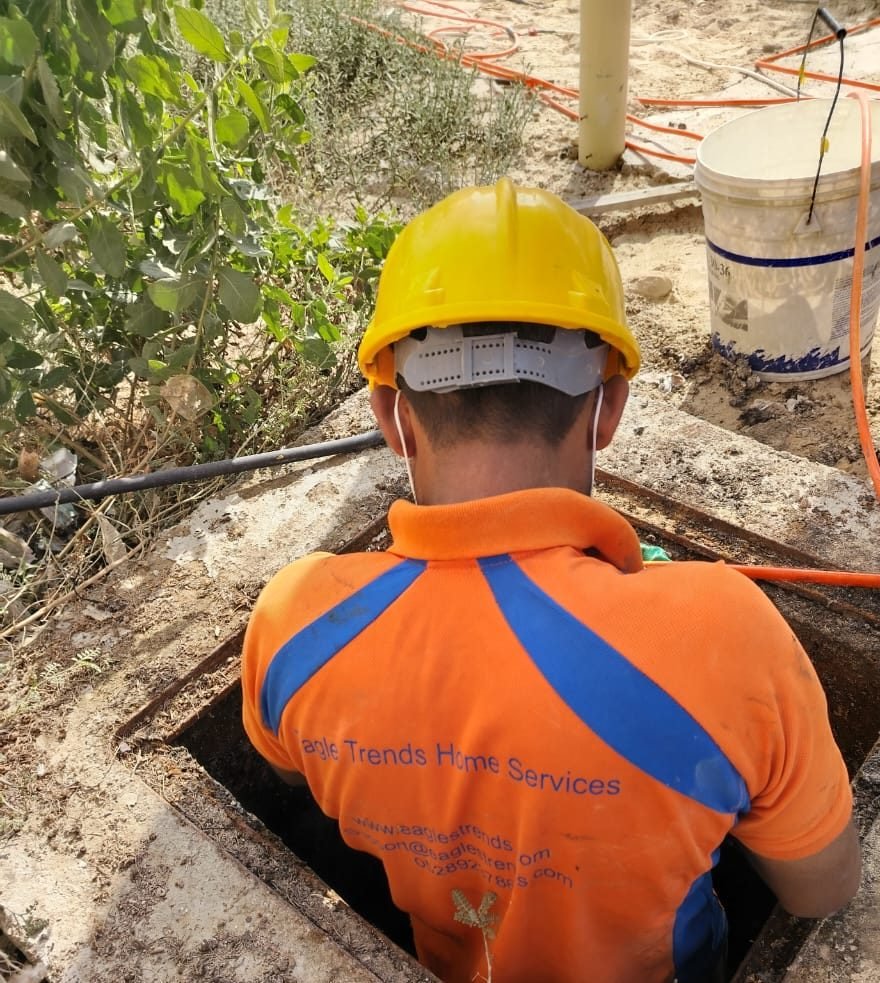
Tag: best drain unclogging near me

  • Why Does Your Drain Keep Getting Blocked

    Why Does Your Drain Keep Getting Blocked

    Why Does Your Drain Keep Getting Blocked? Common Causes & Permanent Solutions in Abu Dhabi

    Most people don’t think about their drainage system until something goes wrong. One day, the kitchen sink starts draining slowly. A few days later, water begins collecting around the floor drain, or an unpleasant smell appears in the bathroom. Many homeowners assume it’s a minor blockage that will disappear on its own, while others use chemical drain cleaners as a quick fix. In many cases, neither solution addresses the real problem.

    A blocked drain is often a warning sign that something has been building up inside the drainage system for weeks or even months. Simply restoring the water flow may solve the immediate inconvenience, but unless the underlying cause is identified, the blockage is likely to return.

    This is one of the most common situations we see across Abu Dhabi. Customers often tell us that another contractor cleaned the drain only a few weeks ago, yet the same problem has come back. The drain works for a short time, then starts blocking again because the original cause was never properly addressed.

    Understanding why a drain becomes blocked is the first step towards finding a long-term solution.

    Why Kitchen Drains Become Blocked So Often

    Kitchen drains are responsible for a large percentage of drainage problems in homes, villas, and restaurants throughout Abu Dhabi.

    Although water flows freely down the sink, it also carries cooking oil, grease, food particles, detergent, and small amounts of waste. These materials don’t always leave the drainage system. Instead, they gradually stick to the inside of the pipe, forming a layer that becomes thicker over time.

    At first, you may only notice that the sink empties more slowly than usual. As the build-up increases, unpleasant odours begin to develop. Eventually, the pipe becomes so restricted that water can no longer flow properly, resulting in a complete blockage.

    Many people try to solve the problem with chemical drain cleaners. While these products may temporarily improve the flow, they rarely remove the thick grease attached to the pipe walls. In some cases, repeated use of strong chemicals can even damage certain pipe materials.

    Professional drain cleaning removes the accumulated build-up more effectively and restores the pipeline without relying on temporary solutions.

    Not Every Blockage Has the Same Cause

    One of the biggest misconceptions about drain cleaning is that every blockage is the same.

    In reality, two properties with identical symptoms can have completely different problems.

    A slow kitchen drain may be caused by grease.

    A bathroom floor drain may be blocked by soap residue and hair.

    A restaurant drainage system may contain years of grease accumulation.

    An underground drainage line may be affected by tree roots or a damaged pipe.

    Although the symptoms appear similar, the correct solution depends on identifying the actual cause.

    This is why experienced drainage technicians inspect the situation before selecting the equipment. Choosing the wrong method may improve the water flow for a short time, but it doesn’t always solve the real problem.

    Why Some Drain Problems Keep Coming Back

    One question we hear regularly is:

    “Why does my drain keep blocking even after it was cleaned?”

    The answer is often surprisingly simple.

    Many cleaning methods create a small opening through the blockage, allowing water to flow again. While this makes the drain appear fixed, much of the grease, sludge, or debris may still remain inside the pipeline.

    As more waste moves through the pipe, it sticks to the remaining deposits, and the blockage gradually forms again.

    In other situations, the blockage isn’t caused by grease at all. The real issue may be a damaged pipe, poor drainage design, tree root intrusion, or another hidden defect that requires a completely different solution.

    For this reason, treating every blocked drain in the same way rarely delivers lasting results.

    Restaurant Drain Problems Are Different from Household Drains

    Restaurant drainage systems handle far more grease, food waste, and cooking oil than a typical home kitchen. Every day, large amounts of waste pass through the drainage pipes, and over time, layers of grease begin to stick to the inside of the pipeline.

    Many restaurant owners don’t notice a problem until the sink drains slowly or wastewater starts backing up during busy hours. By that stage, the build-up is often much thicker than expected.

    One mistake many businesses make is waiting until the drain becomes completely blocked before arranging professional cleaning. In reality, regular maintenance is usually more affordable and helps avoid unexpected interruptions to daily operations.

    Professional drain cleaning removes accumulated grease more effectively and helps keep restaurant drainage systems working efficiently.

    When Is Hydro Jet Drain Cleaning the Best Solution?

    Hydro jet drain cleaning is one of the most effective methods for removing heavy grease, sludge, sand, and debris from drainage pipes. Instead of creating a small opening through the blockage, high-pressure water cleans a much larger section of the pipe’s internal surface.

    However, hydro jetting is not the answer to every drainage problem.

    Some blockages are caused by damaged pipes, collapsed sections, or tree roots. In these situations, using high-pressure water alone may not solve the problem permanently.

    For this reason, the condition of the drainage system should always be assessed before selecting the cleaning method. Choosing the right solution is often more important than choosing the most powerful equipment.

    Why CCTV Drain Inspection Can Save Time and Money

    Some drainage problems cannot be identified from the surface.

    A drain may continue blocking even after repeated cleaning because the real issue is hidden underground or inside the pipeline.

    This is where CCTV drain inspection becomes valuable.

    Using a specialist inspection camera, technicians can examine the inside of the drainage system without unnecessary demolition. It helps identify damaged pipes, grease build-up, tree root intrusion, pipe misalignment, and other hidden defects.

    Instead of relying on guesswork, the inspection provides clear information about the actual condition of the pipeline, allowing repairs to be planned more accurately.

    A Bad Smell Doesn’t Always Come from the Drain

    One of the most misunderstood drainage problems is a persistent bad smell.

    Many people assume the floor trap or bathroom drain is responsible, but the source can often be somewhere completely different.

    During one project in Abu Dhabi, several contractors had already visited the property without finding the cause of the smell. After carefully reviewing the layout and inspecting the area, it became clear that what appeared to be a structural column was actually a concealed drainage riser behind the wall.

    Once the area was opened and the drainage defect was repaired, the unpleasant smell disappeared.

    Situations like this remind us that solving a drainage problem isn’t always about using more equipment. Sometimes it’s about understanding how the drainage system has been built and identifying details that others may have overlooked.

    Tree Roots Can Cause Serious Underground Drain Problems

    Tree roots naturally grow towards moisture.

    If a drainage pipe has even a small crack or damaged joint, roots can gradually enter the pipeline and continue growing inside it.

    At first, the restriction may be small. Over time, however, the roots trap debris, reduce water flow, and eventually create a complete blockage.

    In some situations, removing the roots restores the drainage system. In others, the roots have already damaged the pipe so extensively that repairs or replacement become the better long-term solution.

    A professional inspection helps determine which approach is most suitable.

    Preventing Drain Problems Before They Become Expensive

    Many major drainage problems begin as minor issues that are ignored.

    A slow-draining sink, occasional unpleasant smell, or small amount of standing water may not seem urgent, but these early warning signs often indicate that something is developing inside the drainage system.

    Regular inspections and timely professional cleaning can help prevent more serious blockages, reduce emergency call-outs, and extend the life of the drainage system.

    Preventive maintenance is usually less disruptive and more cost-effective than waiting for a complete blockage to occur.

    Final Thoughts

    Every drainage problem has a cause, and finding that cause is often the key to preventing the problem from returning.

    Whether the issue is grease inside a kitchen drain, a hidden defect in the pipeline, tree roots underground, or an unpleasant smell with an unexpected source, understanding the condition of the drainage system should always come before choosing a solution.

    If you’re experiencing recurring drain blockages, slow drainage, or persistent drain odours in Abu Dhabi, professional inspection and the right cleaning method can save both time and unnecessary expense.

    Need professional drain cleaning in Abu Dhabi? Visit our Drain Opening Service page or contact Eagle Trends for expert assistance.
  • Essential Tips for DIY Drain Unclogging Goodbye to Clogs

    Essential Tips for DIY Drain Unclogging Goodbye to Clogs

    Essential Tips For DIY Drain Unclogging: Say Goodbye To Clogs!

    Do you find yourself struggling with clogged drains, constantly battling with standing water in your sinks or tubs? Don’t fret! In this article, we’ll walk you through ten essential tips for DIY drain unclogging, so you can bid farewell to those annoying clogs once and for all.

    Informative And friendly.

    Say goodbye to the days of calling a plumber every time a drain gets backed up. With these easy-to-follow tips and techniques, you’ll become a drain-cleaning pro in no time. From using simple household ingredients to unclog small blockages, to tackling more stubborn clogs with powerful DIY solutions, we’ve got you covered.

    Trustworthy And Authoritative.

    No one likes dealing with clogged drains, but with our expert advice, you’ll be able to tackle any clog that comes your way. Put on your DIY hat and get ready to roll up your sleeves – it’s time to say goodbye to clogs!

    Engaging And Encouraging.

    So, if you’re tired of the frustration and inconvenience of clogged drains, read on to discover our top ten tips for keeping your drains clear and clean. With a little know-how and some elbow grease, you’ll be able to unclog your drains like a pro and enjoy smooth-flowing plumbing in no time. Let’s get started!

    Common Causes Of Drain Clogs.

    Understanding the common causes of drain clogs is the first step to preventing them. Hair, soap scum, food particles, grease, and mineral buildup are some of the most common culprits. These substances can accumulate in your drains over time, leading to slow drainage or complete blockages.

    Regular maintenance and adopting good habits can go a long way in preventing clogs. Avoid pouring grease down the drain, use drain covers to catch hair and debris, and be mindful of what you flush down the toilet. By being proactive in preventing clogs, you can save yourself from the hassle of dealing with them later on.

    The Importance Of Regular Drain Maintenance.

    Regular drain maintenance is crucial for keeping your drains clear and preventing clogs. By incorporating a few simple habits into your routine, you can minimize the likelihood of experiencing clogs in the future.

    One effective way to maintain your drains is by using a drain cleaner once a month. Look for drain cleaners that are specifically designed to break down organic matter, such as hair and soap scum. Regularly cleaning your drains can help keep them flowing smoothly and prevent the buildup of debris.

    Another essential aspect of drain maintenance is flushing your drains with hot water regularly. Hot water helps dissolve grease and flush away any accumulated debris. Make it a habit to pour boiling water down your drains once a week to keep them clear and prevent clogs.

    Tools And Materials Needed For DIY Drain Unclogging.

    Before you start unclogging your drains, it’s important to have the right tools and materials on hand. Here are some essential items you’ll need:

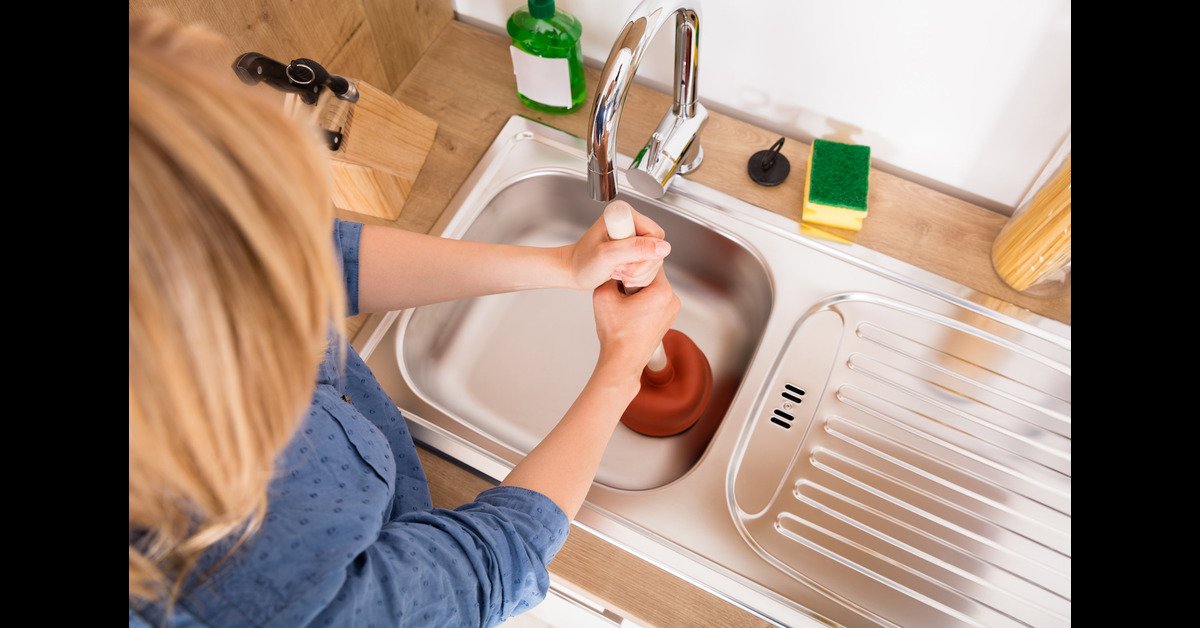
    1. Plunger: A plunger is a versatile tool that can be used to unclog both sinks and toilets. Make sure to have a plunger with a flat bottom for sinks and a flange-shaped plunger for toilets.

    2. Drain Snake or Auger: A drain snake or auger is a flexible tool used to reach and remove clogs deep within your pipes. It is particularly effective for tackling stubborn clogs that cannot be cleared with a plunger.

    3. Baking Soda and Vinegar: Baking soda and vinegar are powerful natural cleaners that can help dissolve organic clogs. When combined, they create a bubbling reaction that helps break down the clog.

    4. Hot Water and Dish Soap: Hot water and dish soap can be used to tackle grease clogs. The hot water helps melt the grease, while the dish soap helps break it up for easy removal.

    5. Drain Covers and Hair Catchers: Drain covers and hair catchers are preventive measures that can help catch hair and debris before they enter your drains. They are inexpensive and easy to install, making them a worthwhile investment.

    Now that you have the necessary tools and materials, let’s dive into the step-by-step tips for unclogging your drains.

    Safety Precautions Before Starting The Unclogging Process.

    Before you begin unclogging your drains, it’s important to take some safety precautions to protect yourself and your plumbing system.

    1. Wear gloves: Wearing gloves will protect your hands from any potential bacteria or debris that may be present in the clog.

    2. Ventilate the area: Open windows or turn on ventilation fans to ensure proper air circulation and prevent any unpleasant odors.

    3. Avoid using chemical drain cleaners: Chemical drain cleaners can be harsh on your pipes and may cause more harm than good. Stick to natural solutions for unclogging your drains.

    Now that you’re ready to tackle those clogs, let’s explore the ten essential tips for DIY drain unclogging.

    Using A Plunger For Minor Clogs.

    If you’re dealing with a minor clog in your sink or bathtub, a plunger can be your best friend. Here’s how to use a plunger effectively:

    1. Fill the sink or bathtub with enough water to cover the plunger’s rubber cup.

    2. Place the plunger over the drain and ensure a tight seal.

    3. Push down on the plunger firmly and then pull up quickly. Repeat this motion several times to create suction and dislodge the clog.

    4. Once the clog is cleared, run hot water down the drain to flush away any remaining debris.

    Using A Drain Snake Or Auger For Stubborn Clogs.

    For more stubborn clogs that a plunger can’t handle, a drain snake or auger is the tool of choice. Here’s how to use a drain snake effectively:

    1. Insert the drain snake into the drain until you feel resistance.

    2. Rotate the handle of the snake clockwise to break up the clog and push it through the pipes.

    3. Continue feeding the snake into the drain, rotating as you go, until the clog is cleared.

    4. Run hot water down the drain to flush away any remaining debris.

    Using Baking Soda And Vinegar To Dissolve Organic Clogs.

    Baking soda and vinegar are natural ingredients that can be combined to create a powerful drain cleaning solution. Here’s how to use them effectively:

    1. Pour a pot of boiling water down the drain to loosen any debris.

    2. Pour half a cup of baking soda down the drain, followed by half a cup of vinegar.

    3. Cover the drain with a plug or cloth to contain the fizzing reaction.

    4. Let the mixture sit for about 30 minutes, then flush the drain with hot water.

    Using Hot Water And Dish Soap To Break Up Grease Clogs.

    If you’re dealing with a grease clog in your kitchen sink, hot water and dish soap can do wonders. Here’s how to use them effectively:

    1. Boil a pot of water on the stove.

    2. Squirt a generous amount of dish soap into the clogged drain.

    3. Slowly pour the boiling water down the drain, allowing it to melt and break up the grease.

    4. Run hot water down the drain to flush away any remaining residue.

    Preventing Future Clogs With Drain Covers And Hair Catchers.

    Prevention is key when it comes to keeping your drains clear and clog-free. Installing drain covers and hair catchers is a simple yet effective way to prevent hair and debris from entering your drains.

    1. Purchase drain covers and hair catchers that are suitable for your sink and bathtub drains.

    2. Install the drain covers and hair catchers according to the manufacturer’s instructions.

    3. Regularly clean and remove any trapped hair or debris from the drain covers and hair catchers.

    By taking these preventive measures, you can significantly reduce the chances of experiencing clogs in the future.

    Conclusion: Maintaining A Clog-Free Drain With Regular Maintenance.

    In conclusion, dealing with clogged drains can be a frustrating and inconvenient experience. However, with these ten essential tips for DIY drain unclogging, you can become your own drain-cleaning expert.

    Remember to understand the common causes of drain clogs and implement regular maintenance practices to prevent future clogs. Have the necessary tools and materials ready, and always prioritize safety before starting the drain unclogging process.

    Whether you’re using a plunger for minor clogs, a drain snake or auger for stubborn clogs, or natural solutions like baking soda and vinegar, you now have the know-how to tackle any clog that comes your way.

    So say goodbye to the days of dealing with clogged drains, and enjoy the peace of mind that comes with smooth-flowing plumbing. With these tips, you’ll be able to keep your drains clear and clog-free, saving you time, money, and unnecessary stress. Happy unclogging!

    Contact With EAGLE TRENDS To Get This Services…
    Click Here To BOOK NOW